3 Days in Seoul: An Itinerary by Area, With a Korean Horoscope
· PAL:JA
Saju is Korean astrology: a birth chart read from the year, month, day and hour you were born. The easiest way to spend 3 days in Seoul is to give each day one area and stay on one subway line: the royal palaces and old Jongno on day 1, Namsan and Myeongdong on day 2, and Hongdae and the Han River on day 3. Each day also has a saju cafe nearby, so you can add a Korean horoscope reading, a local outing most visitors never try, without crossing the city.
Seoul is big, and the time you lose on trains and transfers adds up fast. This plan keeps every day inside a few neighboring stations. It covers the travel side first, then how to book and prepare for a saju reading. If you are new to it, start with what saju is.
How should you plan 3 days in Seoul?
Group your sights by area and give each area a full day. On day 1 you stay on Line 3, on day 2 on Line 4, and on day 3 around Line 2 and the AREX airport railroad.
| Day | Area | Main stops | Subway |
|---|---|---|---|
| Day 1 | Palaces and old Jongno | Gyeongbokgung, Bukchon, Ikseon-dong, Gwangjang Market | Line 3: Gyeongbokgung, Anguk, Jongno 3-ga |
| Day 2 | Central Seoul | Namdaemun Market, Namsan and N Seoul Tower, Myeongdong | Line 4: Seoul Station, Hoehyeon, Myeongdong |
| Day 3 | West Seoul | Gyeongui Line Forest Park, Yeonnam-dong, Mangwon, the Han River | Line 2 and AREX: Hongik University |
Gyeongbokgung, Anguk and Jongno 3-ga are three stations in a row on Line 3, and Seoul Station, Hoehyeon and Myeongdong are three in a row on Line 4. If you land at Incheon Airport, the all-stop AREX train runs straight to Hongik University Station, so you can also swap day 3 to the front.
What should you do on day 1 in Seoul?
Spend day 1 in the palace district: Gyeongbokgung in the morning, Bukchon Hanok Village around midday, then Ikseon-dong and Gwangjang Market in the afternoon and evening. Everything sits between Gyeongbokgung Station and Jongno 5-ga Station.
- Gyeongbokgung. Built in 1395 as the first royal palace of the Joseon dynasty, with the National Folk Museum of Korea inside its grounds. Get off at Gyeongbokgung Station on Line 3.
- Hanbok. Rental shops near the palace dress you in traditional hanbok, and entry to the main palaces is free when you wear one, though some costume-style outfits do not count.
- Bukchon Hanok Village. A living neighborhood of traditional houses between Gyeongbokgung and Changdeokgung. Its busiest lane is open to tourists only from 10:00 to 17:00, so come in the daytime and keep your voice down.
- Changdeokgung. A UNESCO World Heritage Site since 1997, near Anguk Station. Its Secret Garden is seen on a separate guided tour.
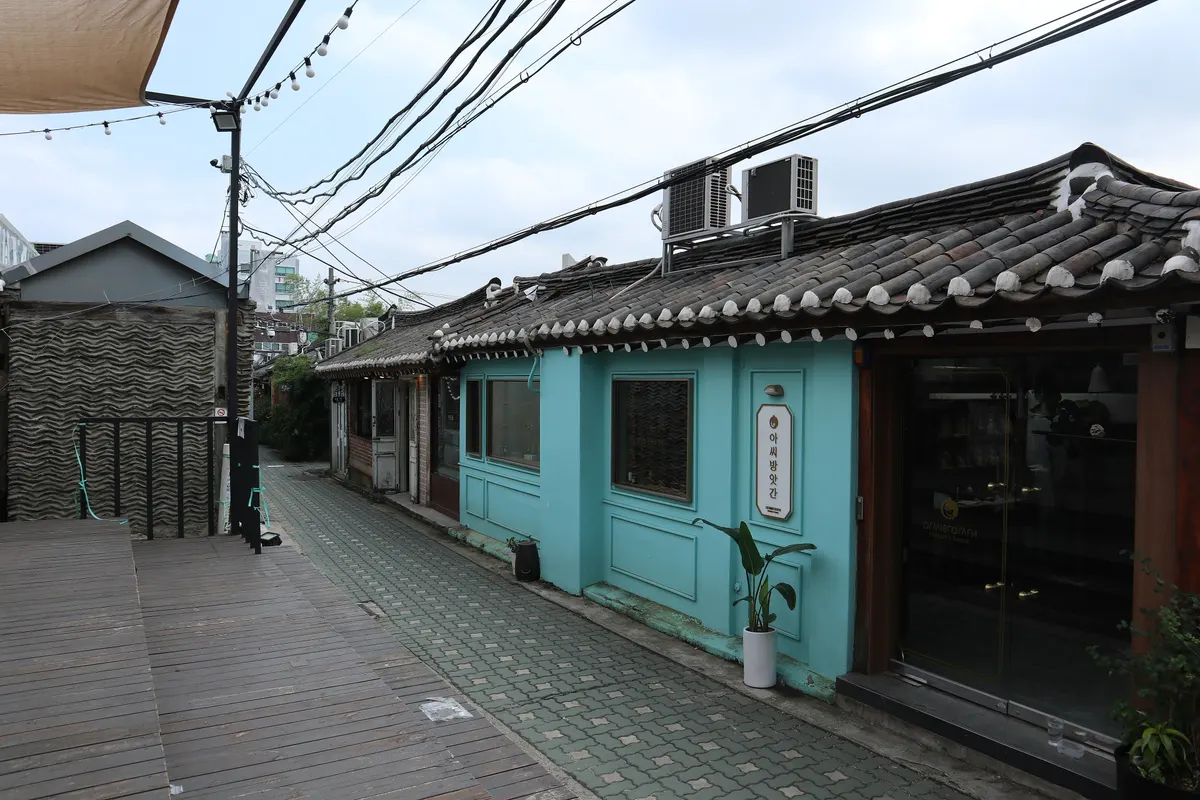
- Ikseon-dong. Narrow alleys of hanok built from the 1920s onward, now full of small cafes, a short walk from Jongno 3-ga Station.
- Gwangjang Market. Trading since 1905 and known for bindaetteok, a mung bean pancake. It is next to Jongno 5-ga Station on Line 1.
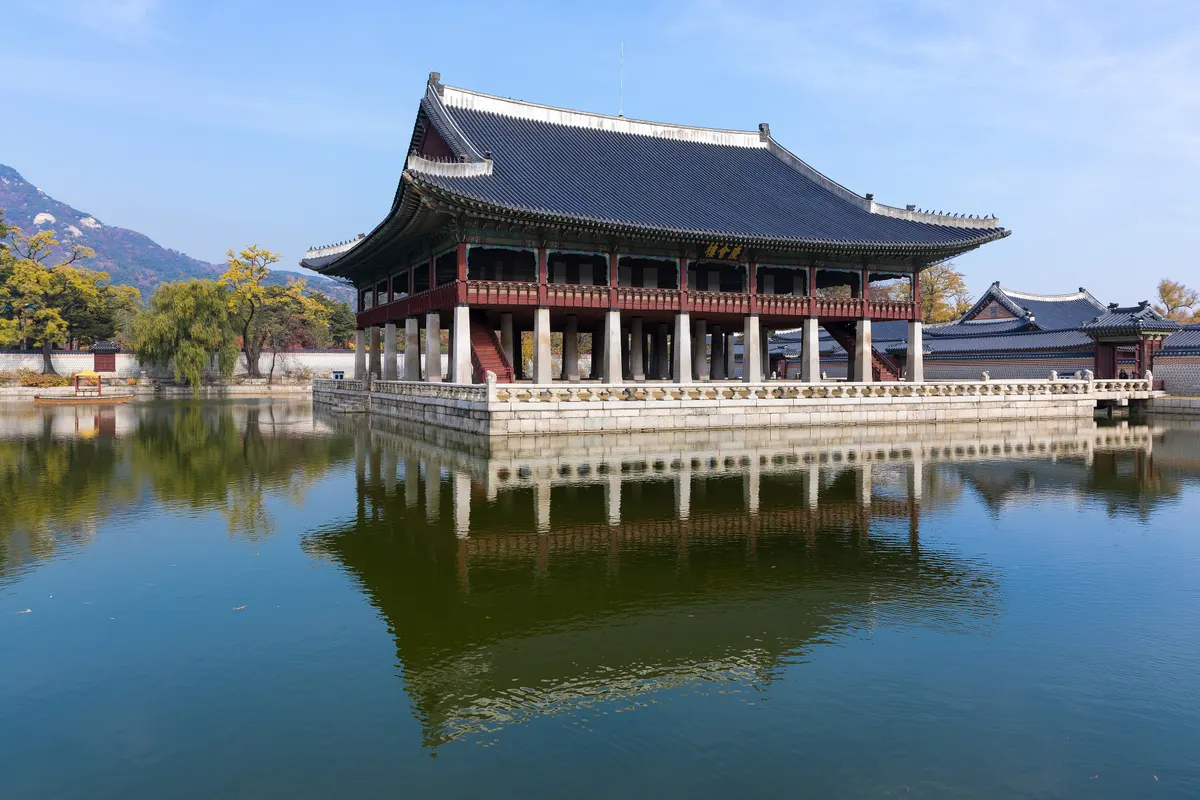
Each palace closes one day a week: Gyeongbokgung on Tuesdays and Changdeokgung on Mondays. Check the day before you plan your first morning, and arrive early to beat the tour groups.
Where can you fit a saju reading into 3 days in Seoul?
The PAL:JA saju cafe map lists a saju cafe near every day of this plan: 10 in Ikseon-dong, Insadong and Jongno, 6 in Myeongdong and Euljiro, and 24 in Hongdae, Yeonnam and Hapjeong. Across Seoul it lists 53.
A saju cafe is a small cafe or consultation room where a reader turns your birth date and time into a chart and talks you through it at the table. For many Koreans it is a casual outing with friends, and a reading often runs about 30 minutes. Our saju cafe guide explains what happens and what to say.
The simplest slot is the afternoon of day 1, between Bukchon and dinner at Gwangjang Market, since Ikseon-dong is on the way. Myeongdong on the evening of day 2 and Hongdae on day 3 work just as well. The saju cafe map only shows cafes confirmed open on Naver Map or Kakao Map, with the address, phone number and listed hours of each, and you can filter it by area.
How do you book a saju cafe before your Seoul trip?
Send a booking request from the cafe's page on the PAL:JA map, and we call the cafe in Korean for you. You hear back by WhatsApp or text message when your time is confirmed.
- Book before you fly. Requests need at least 3 days' notice.
- Sign in. Booking requests need a Google or Apple sign-in.
- Pay the cafe. PAL:JA charges nothing for the booking, and you pay the cafe directly.
- Confirm or cancel. Tap "I'm coming" or Cancel in My bookings at least 24 hours before, or the booking is cancelled automatically.
Some cafes do not take requests through PAL:JA, and for those you can call or walk in. Most readers speak only Korean, so the Cafe Translator is a two-way interpreter built for saju readings. It is a paid feature, charged per one-hour session.
What should you know before a saju reading in Seoul?
Know your birth date, birth time and birth city, and find your saju type before the trip. Your saju type, which saju experts call your Day Master, is the heavenly stem of your day pillar and one of ten.
The ten saju types are Big Tree (甲), Wildflower (乙), Sun (丙), Candlelight (丁), Mountain (戊), Garden Soil (己), Sword (庚), Jewel (辛), Ocean (壬) and Morning Dew (癸). The reader will start from yours, so knowing it makes a Korean-language reading much easier to follow. Sign in and open your chart with 1 bok ($1.99) on the saju type page, or right here.
Calculate your saju chart
PAL:JA builds your chart with fixed saju rules and true solar time for your birth city, not just the clock time. In Seoul, the sun runs about 32 minutes behind the clock, which can shift your hour pillar if you were born near the change of an hour.
What should you do on day 2 in Seoul?
Spend day 2 in central Seoul: Namdaemun Market in the morning, Namsan and N Seoul Tower in the late afternoon, and Myeongdong for the evening. All three are on Line 4 within two stops of Seoul Station.
- Namdaemun Market. One of the oldest and largest traditional markets in Korea, next to Sungnyemun Gate at Hoehyeon Station. It is busiest in the daytime.
- Namsan and N Seoul Tower. Walk uphill from Myeongdong to the cable car and ride to the top. The view is best around sunset.
- Myeongdong Cathedral. A red-brick Gothic Revival church completed in 1898.
- Myeongdong street food and skincare. Snack stalls fill the shopping streets in the evening, and many shops offer a tourist tax refund if you bring your passport.
- Cheonggyecheon. A restored stream with a walking path below street level, opened to the public in 2005, a short walk north of Myeongdong.
Our Myeongdong guide has the full evening plan, street food list and skincare tips.
What should you do on day 3 in Seoul?
Spend day 3 in west Seoul: Gyeongui Line Forest Park and Yeonnam-dong in the morning, Mangwon Market for lunch, an afternoon on the Han River, and Hongdae for the evening. Start at Hongik University Station.
- Gyeongui Line Forest Park. A long park built where a railway line once ran, starting near Exit 3 of Hongik University Station.
- Yeonnam-dong. Quiet lanes of low buildings, small cafes and bakeries along the park.
- Mangwon Market. A traditional market near Mangwon Station on Line 6, good for street food.
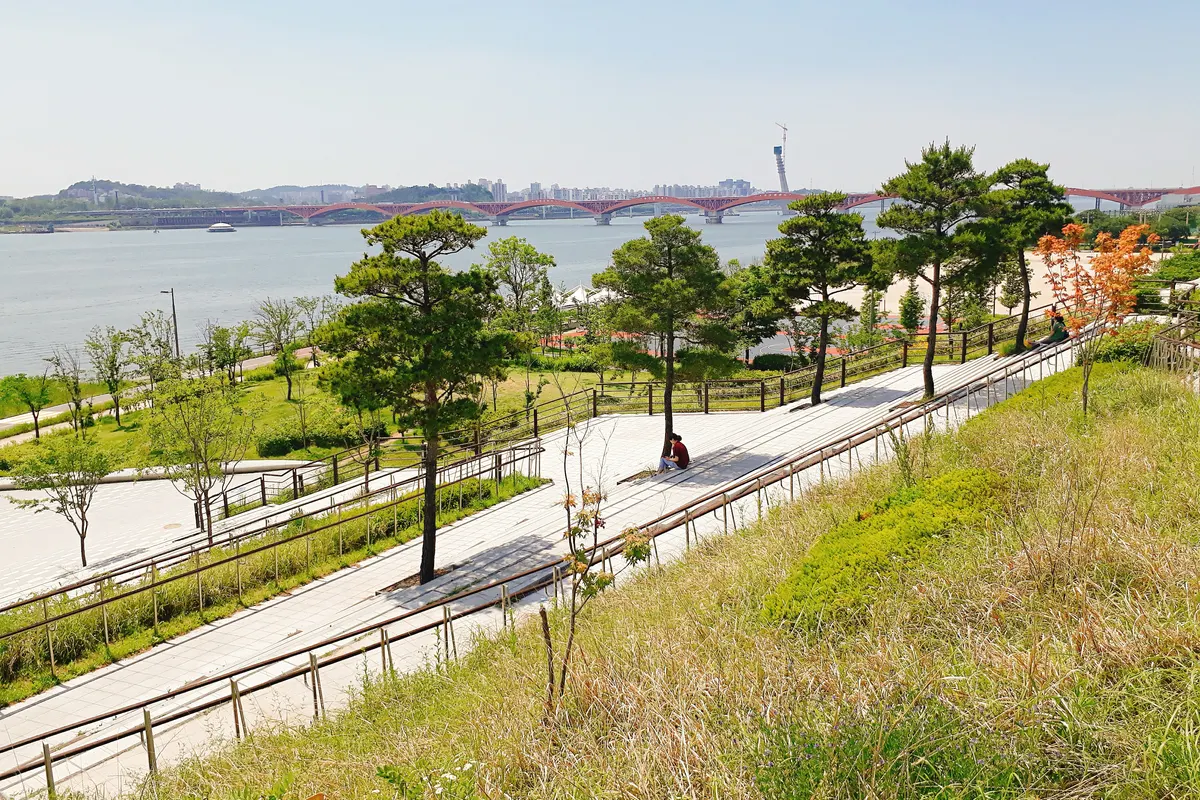
- Mangwon Hangang Park. A riverside park on the Han River, a short walk beyond the market, for a picnic or a walk at sunset.
- Hongdae at night. Buskers on the main walking streets near Exit 9, then live music, shopping and late food.
Hongdae has the most saju cafes on the map, so it is also the best backup slot if your reading did not fit into day 1. Our Hongdae guide has a half-day plan with a reading built in.
How do you get around Seoul in 3 days?
Use the subway with a T-money card, which you buy at a convenience store or a station machine and top up with cash. Tap it when you enter and leave the gates, and the same card works on Seoul buses.
- Use a Korean map app. Naver Map and Kakao Map give better transit and walking directions in Korea than most foreign map apps.
- Watch the last train. The subway stops running around midnight, so plan a taxi if you stay out late.
- Carry some cash. Market stalls and street food vendors are easier with small bills.
For more first-timer basics, read our first trip to Korea tips.
Is 3 days in Seoul enough?
Yes, for a first visit. Three days covers the palaces, the markets, Namsan, Myeongdong and Hongdae, with room for a saju reading, but not day trips outside the city.
Which days are the Seoul palaces closed?
Gyeongbokgung closes on Tuesdays and Changdeokgung closes on Mondays. Put day 1 on a day when both are open.
Where should you stay for 3 days in Seoul?
Stay near Myeongdong or Jongno to keep day 1 and day 2 short. Hongdae is the better base if you arrive by AREX from Incheon Airport and like a livelier evening.
Do saju readers in Seoul speak English?
Most readers speak only Korean, so plan for a Korean reading. Bring a Korean-speaking friend or use the PAL:JA Cafe Translator, and remember that tipping is not expected in Korea.