
Things to Do in Ikseon-dong: Hanok Alleys and Korean Horoscope
· PAL:JA
Saju is Korean astrology: a birth chart read from the year, month, day and hour you were born. The best things to do in Ikseon-dong are walking its narrow hanok alleys, browsing the galleries and tea houses of Insadong next door, and touring Changdeokgung Palace and Jongmyo Shrine, both a short walk north. It is also one of the easiest places in Seoul to try a Korean horoscope reading at a saju cafe, with several of them tucked between the hanok and along Insadong-gil.
Ikseon-dong is a small neighborhood in Jongno, the old heart of Seoul, right next to Jongno 3-ga Station. If saju is new to you, start with what saju is. This guide covers the travel side first, then how to fit a saju cafe into your day.
What are the best things to do in Ikseon-dong?
The top things to do in Ikseon-dong are wandering the hanok alleys, walking over to Insadong, and visiting Changdeokgung and Jongmyo. All of them fit into one day on foot.
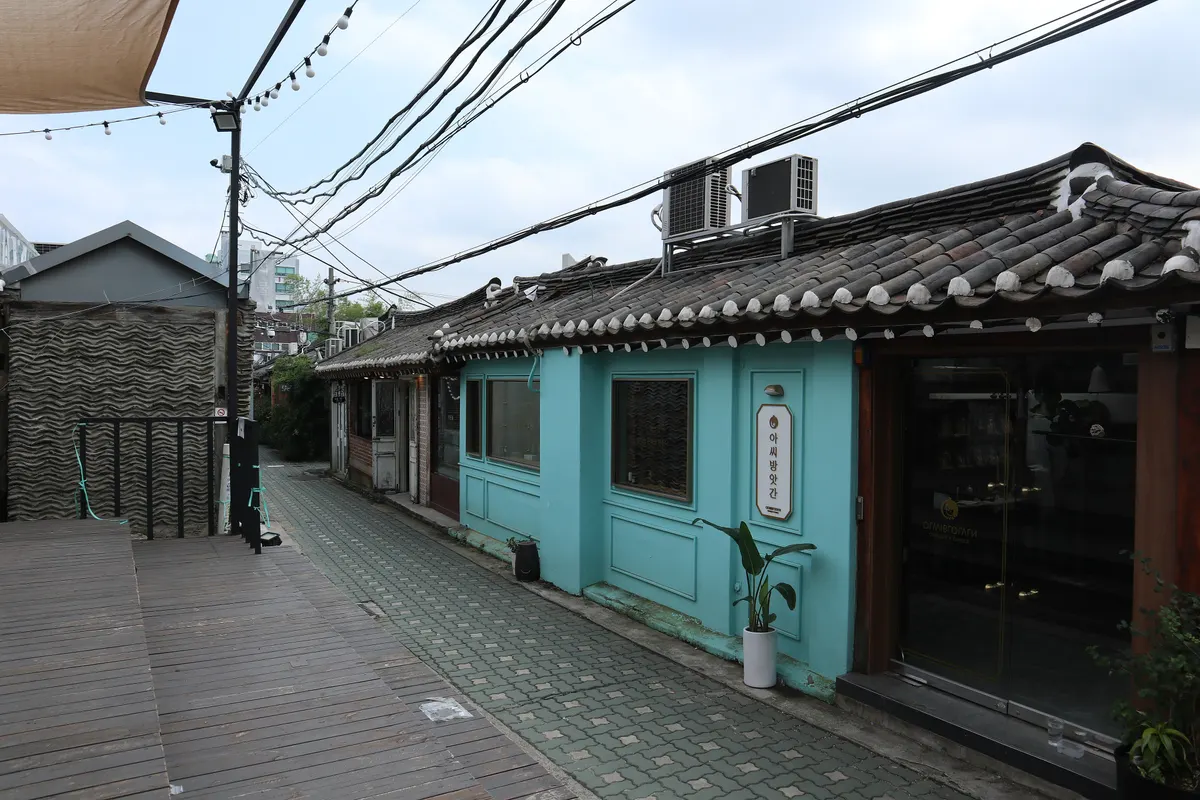
- Hanok alleys. Tiny traditional houses with tiled roofs, now mostly turned into small cafes, bakeries and shops.
- Insadong. A street of galleries, tea houses, hanji paper and traditional craft shops, a few minutes west.
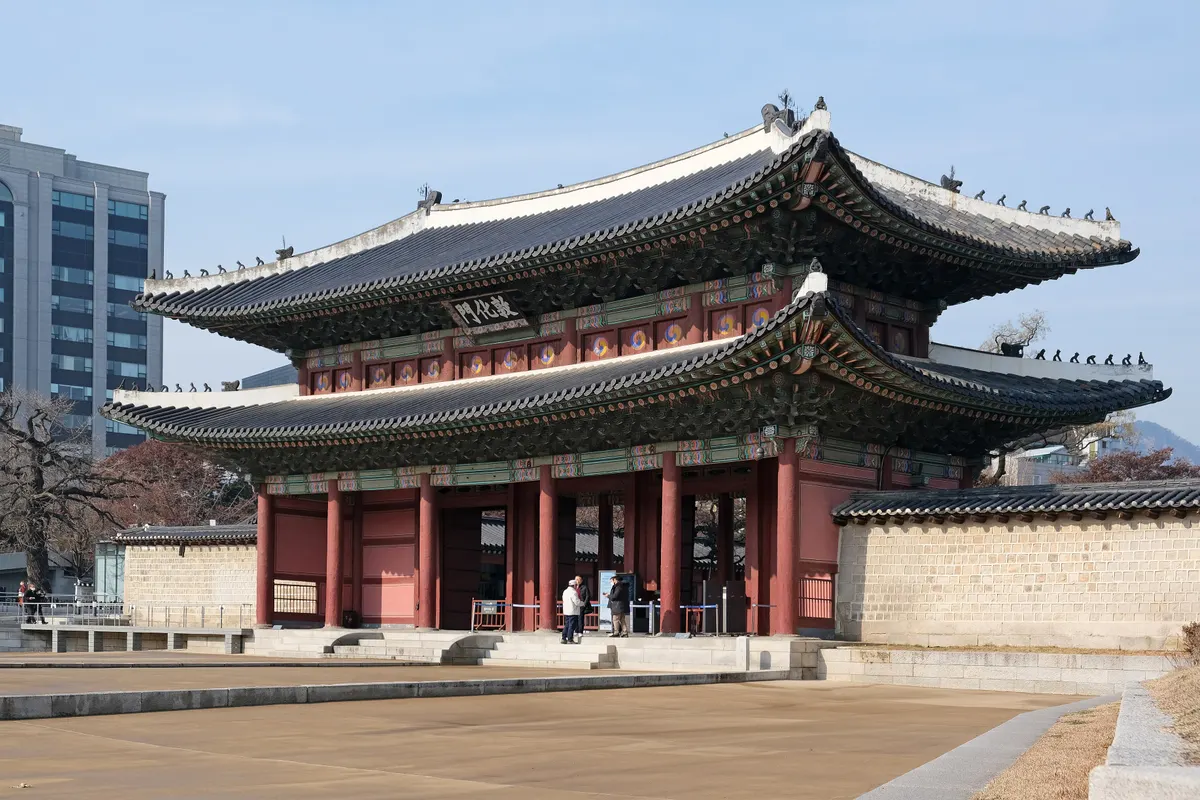
- Changdeokgung Palace. A UNESCO World Heritage palace first built in 1405, with the Secret Garden behind it.
- Jongmyo Shrine. The royal ancestral shrine of the Joseon dynasty, a UNESCO World Heritage site since 1995.
- Tapgol Park and Cheonggyecheon. A small historic park on Jongno and a restored stream a short walk south.
- A saju reading. Several saju cafes sit inside Ikseon-dong and along Insadong-gil.
Why is Ikseon-dong famous?
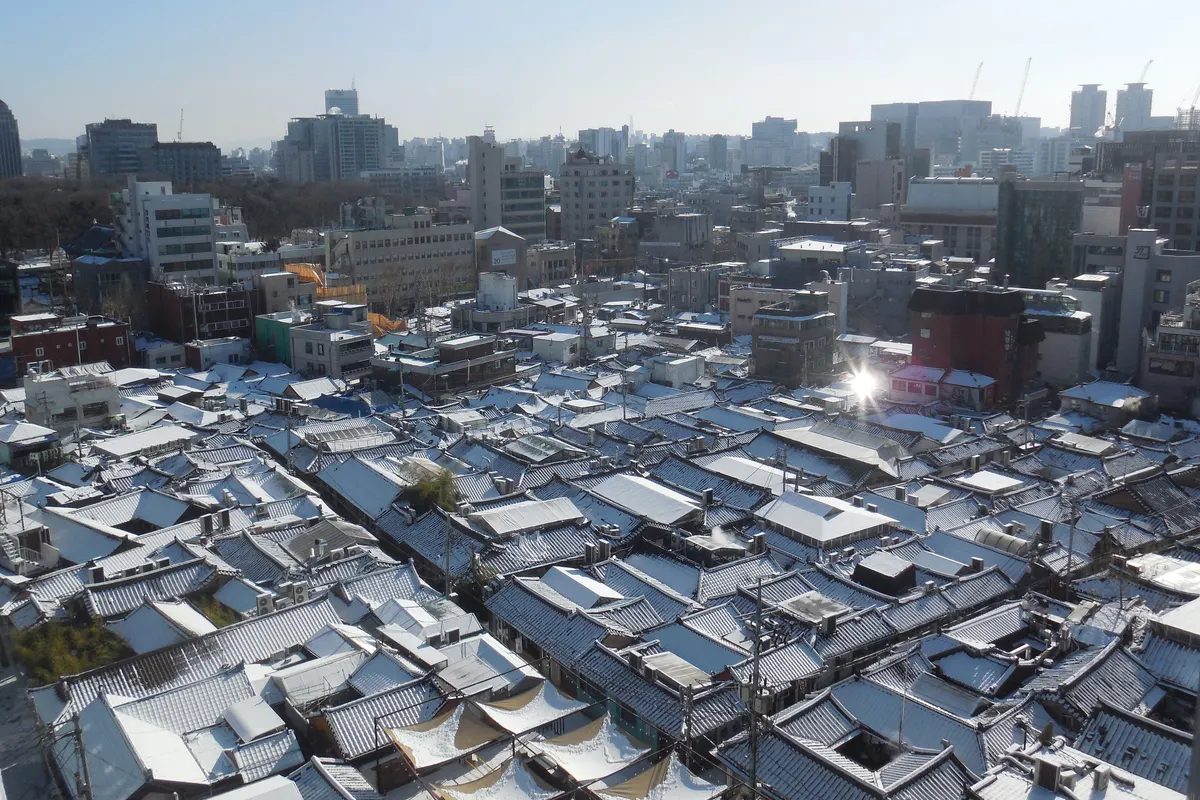
Ikseon-dong is famous for being one of the oldest concentrated hanok districts in Seoul. A developer built it from the late 1920s to the early 1930s, packing many small hanok tightly together.
Instead of the large courtyard houses you see in palaces, Ikseon-dong was built for ordinary city families, so the houses are small and the alleys are often barely wider than your shoulders. Many of the hanok have been turned into cafes, restaurants and shops with glass fronts and modern interiors under the old roofs. Some are still homes, so keep your voice down in the quieter side lanes.
How do you get to Ikseon-dong by subway?
Take Line 1, 3 or 5 to Jongno 3-ga Station, then use Exit 4 or Exit 6. The hanok alleys start a couple of minutes' walk from either exit.
Jongno 3-ga is one of the busiest transfer stations in central Seoul, so check the exit signs before you climb the stairs. For Insadong, you can also use Anguk Station on Line 3 at the northern end of Insadong-gil, or Jonggak Station on Line 1 to the south. Buy a T-money card at a convenience store or a station machine, top it up with cash, and tap it when you enter and leave the gates.
When is the best time to visit Ikseon-dong?
Go on a weekday morning or early afternoon, when the alleys are calmer. Weekend afternoons and evenings are the busiest, with queues outside the popular hanok cafes.
The alleys are narrow, so crowds build quickly. Late morning is a good time for photos, and the lights strung over the lanes make the evening pleasant too. Plan your palace visits around their closing days: Changdeokgung closes on Mondays and Jongmyo closes on Tuesdays, so Wednesday to Sunday works for both.
What is there to see near Ikseon-dong?
Insadong, Changdeokgung Palace and Jongmyo Shrine are all within a 10 to 15 minute walk. Bukchon Hanok Village is a little further north, past Anguk Station.
- Insadong. The main street, Insadong-gil, is lined with galleries, traditional tea houses and shops for hanji paper, calligraphy brushes and ceramics. It is good for souvenirs that are light to carry.
- Changdeokgung Palace. Built in 1405 and listed by UNESCO in 1997, it is the best-preserved of the Joseon palaces. The Secret Garden (Huwon) needs its own ticket with limited places, so check royal.khs.go.kr before you go.
- Jongmyo Shrine. The shrine where the kings and queens of Joseon were honored. The Jongmyo Jerye ritual, with court music and dance, is held every year on the first Sunday in May.
- Bukchon Hanok Village. Larger hanok on hillside lanes between Gyeongbokgung and Changdeokgung. People live there, so visit quietly.
Can you get a saju reading in Ikseon-dong?
Yes. The PAL:JA saju cafe map lists 10 saju cafes in the Ikseon-dong, Insadong and Jongno area: 7 offer saju and tarot, and 3 offer saju only.
A saju cafe is a small cafe or consultation room where a reader turns your birth date and time into a chart and talks you through it at the table. For many Koreans it is a casual outing with friends, and in a hanok neighborhood it makes a good Korean culture stop between a palace and dinner. Our saju cafe guide explains what happens during a reading and what to say.
The saju cafe map only shows cafes confirmed open on Naver Map or Kakao Map, with the address, phone number and listed hours for each. Most of the Ikseon-dong and Insadong cafes list hours into the evening, but hours can change, so check the listing on the day.
How do you book a saju cafe in Ikseon-dong as a foreigner?
Send a booking request from the cafe's page on the PAL:JA map, and we call the cafe in Korean for you. You hear back by WhatsApp or text message when your time is confirmed.
- Sign in. Booking requests need a Google or Apple sign-in.
- Book ahead. Requests need at least 3 days' notice, so send one before you fly.
- Pay the cafe. PAL:JA charges nothing for the booking. You pay the cafe directly.
- Confirm or cancel. Tap "I'm coming" or cancel in My bookings at least 24 hours before, or the booking is cancelled automatically.
- Some cafes skip requests. If a cafe does not take requests through PAL:JA, call or drop by instead.
Most readers speak only Korean. The Cafe Translator is a two-way interpreter built for saju readings, and the reader's half of the screen flips so they can read it across the table. It is a paid feature, charged per one-hour session.
What should you know before your saju reading?
Know your birth date, birth time and birth city, and find your saju type before the trip. Your saju type, which saju experts call your Day Master, is the heavenly stem of your day pillar and one of ten.
The ten saju types are Big Tree (甲), Wildflower (乙), Sun (丙), Candlelight (丁), Mountain (戊), Garden Soil (己), Sword (庚), Jewel (辛), Ocean (壬) and Morning Dew (癸). Knowing yours makes the reader's terms much easier to follow. Sign in and open your chart with 1 bok ($1.99) on the saju type page to see it, or right here.
Calculate your saju chart
PAL:JA builds your chart with fixed saju rules and true solar time for your birth city, not just the clock time. In Seoul, the sun runs about 32 minutes behind the clock, which can shift your hour pillar if you were born close to the change of an hour. The guide to the ten saju types explains what each one tends to be like.
What is a good one-day plan for Ikseon-dong?
Start at Changdeokgung in the morning, walk down to Ikseon-dong for lunch, spend the afternoon in Insadong and Jongmyo, then end the day with a saju reading. Pick a day from Wednesday to Sunday so both royal sites are open.
| Time | Stop | Tip |
|---|---|---|
| 09:30 | Changdeokgung Palace | Closed on Mondays; check Secret Garden tickets ahead |
| 12:00 | Lunch in the Ikseon-dong hanok alleys | Weekday lunch is calmer than weekends |
| 14:00 | Insadong-gil | Good for tea and light souvenirs |
| 16:00 | Jongmyo Shrine | Closed on Tuesdays; a short walk from Jongno 3-ga |
| 18:00 | Saju reading at a booked cafe | Bring your birth date, time and city |
| 19:30 | Dinner back in Ikseon-dong | The alleys are lit up after dark |
A typical saju reading runs about 30 minutes, so the plan leaves room for a slow tea break or a longer palace visit.
Is Ikseon-dong worth visiting?
Yes. It is a compact, walkable hanok neighborhood right next to two UNESCO World Heritage sites, and the alleys look quite different from the larger hanok of Bukchon.
How long do you need in Ikseon-dong?
One to two hours covers the hanok alleys themselves. Give it a full day if you add Insadong, Changdeokgung, Jongmyo and a saju reading.
Do saju readers in Ikseon-dong speak English?
Most readers speak only Korean, so plan for a Korean reading. Bring a Korean-speaking friend or use the PAL:JA Cafe Translator, and for more first-timer tips see our first trip to Korea guide.